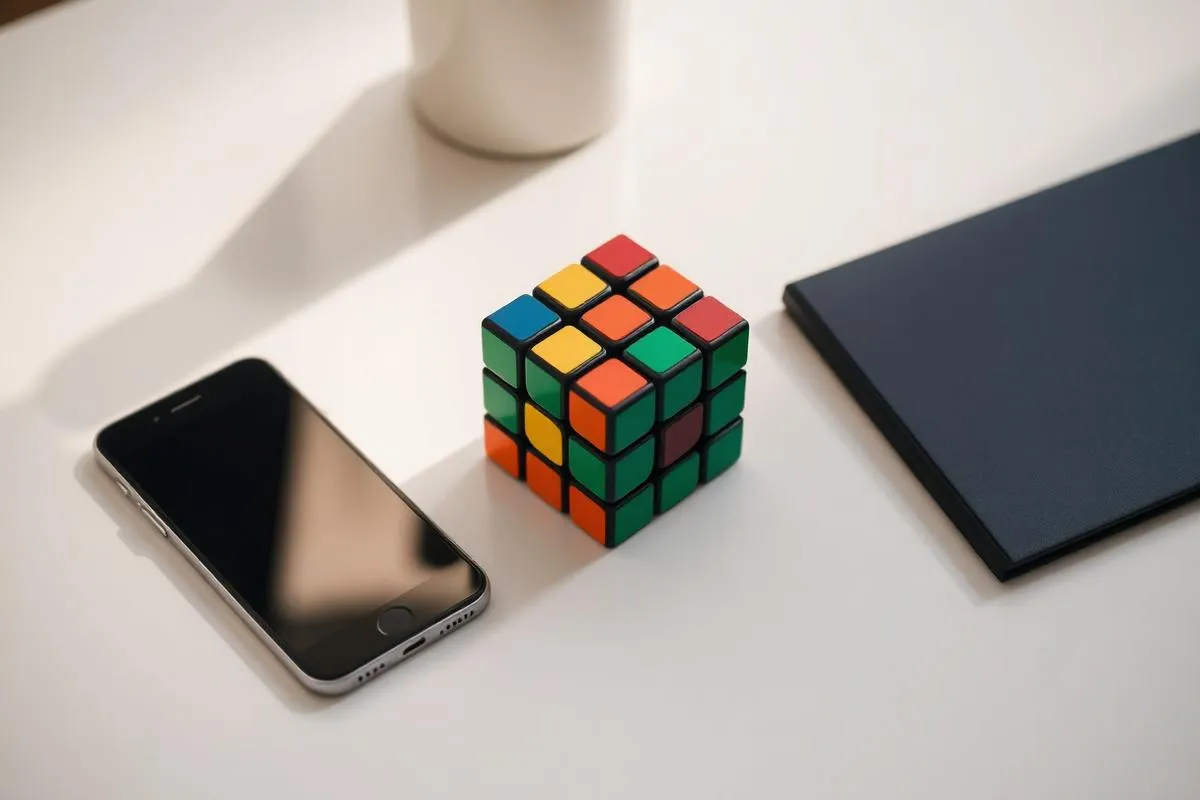
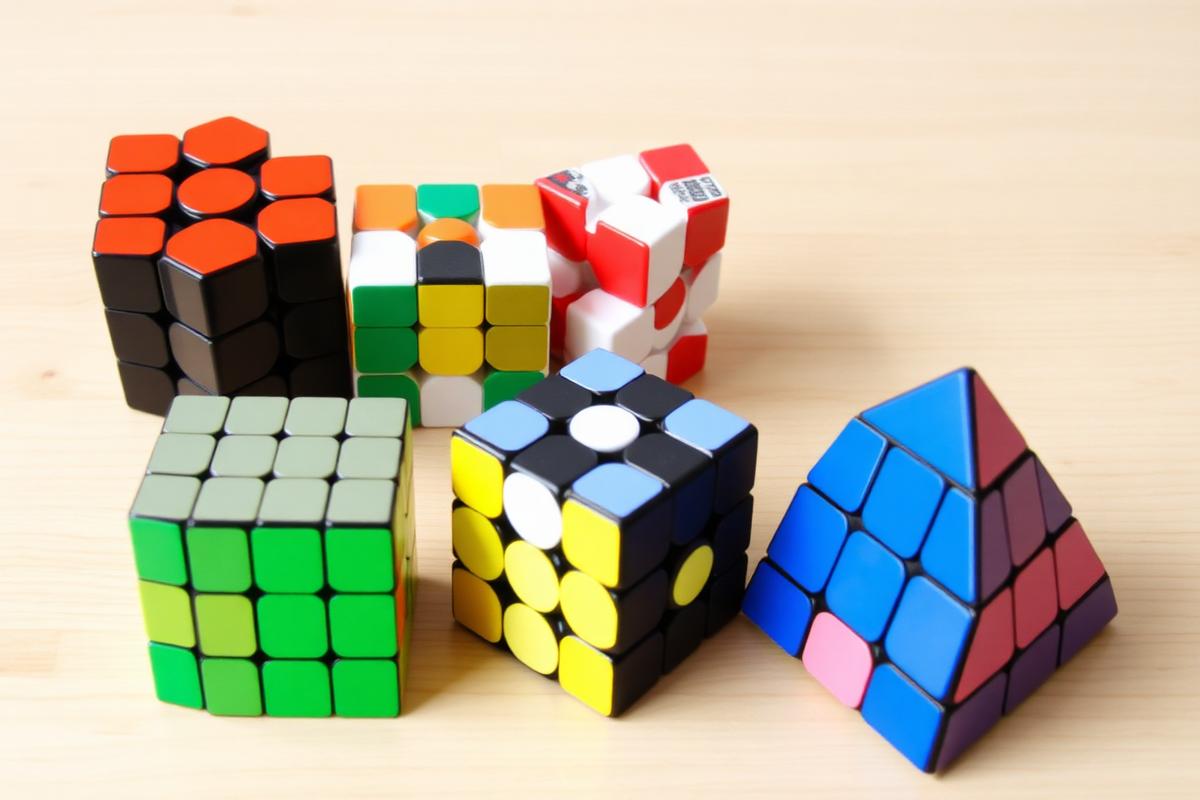
The classic 3×3 is only the beginning. Once you can solve it, a whole family of puzzles becomes accessible because they share the same core logic.
The standard sizes
- 2×2 — corners only; a great way to practise last-layer algorithms.
- 3×3 — the original, and the reference point for every method.
- 4×4 — adds movable centres and parity cases.
- 5×5 — combines 3×3 logic with 4×4 centre and edge pairing.
Shape-mods and other puzzles
Pyraminx, Skewb and Megaminx look intimidating but often need fewer algorithms than a 3×3. They are a fun way to test whether you understand the ideas behind the method rather than just the sequences.
Which should you buy next?
If you want faster 3×3 progress, get a second 3×3 so one stays tuned for speed. If you want a new challenge, a 4×4 teaches reduction and parity, which unlocks every larger cube afterwards.