Why beginners struggle with scrambled cubes
Random turning almost never solves a cube, because fixing one face usually disturbs another. Solving methods work in stages, and each stage uses sequences you have to recognise and remember. Without that knowledge, a scrambled cube can feel like it has no way back.
How guided solving helps
- You always know what the next move is
- You finish with a solved cube rather than giving up midway
- You see stages of a real solve instead of guessing
- You can repeat solves until the sequences feel natural
How to enter your cube
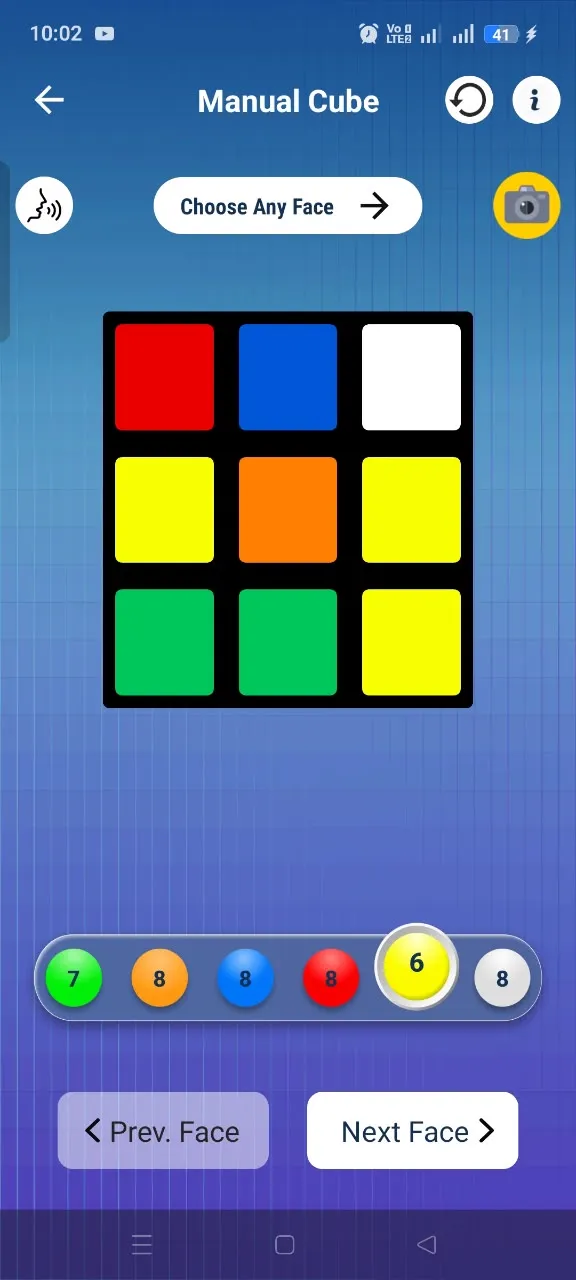
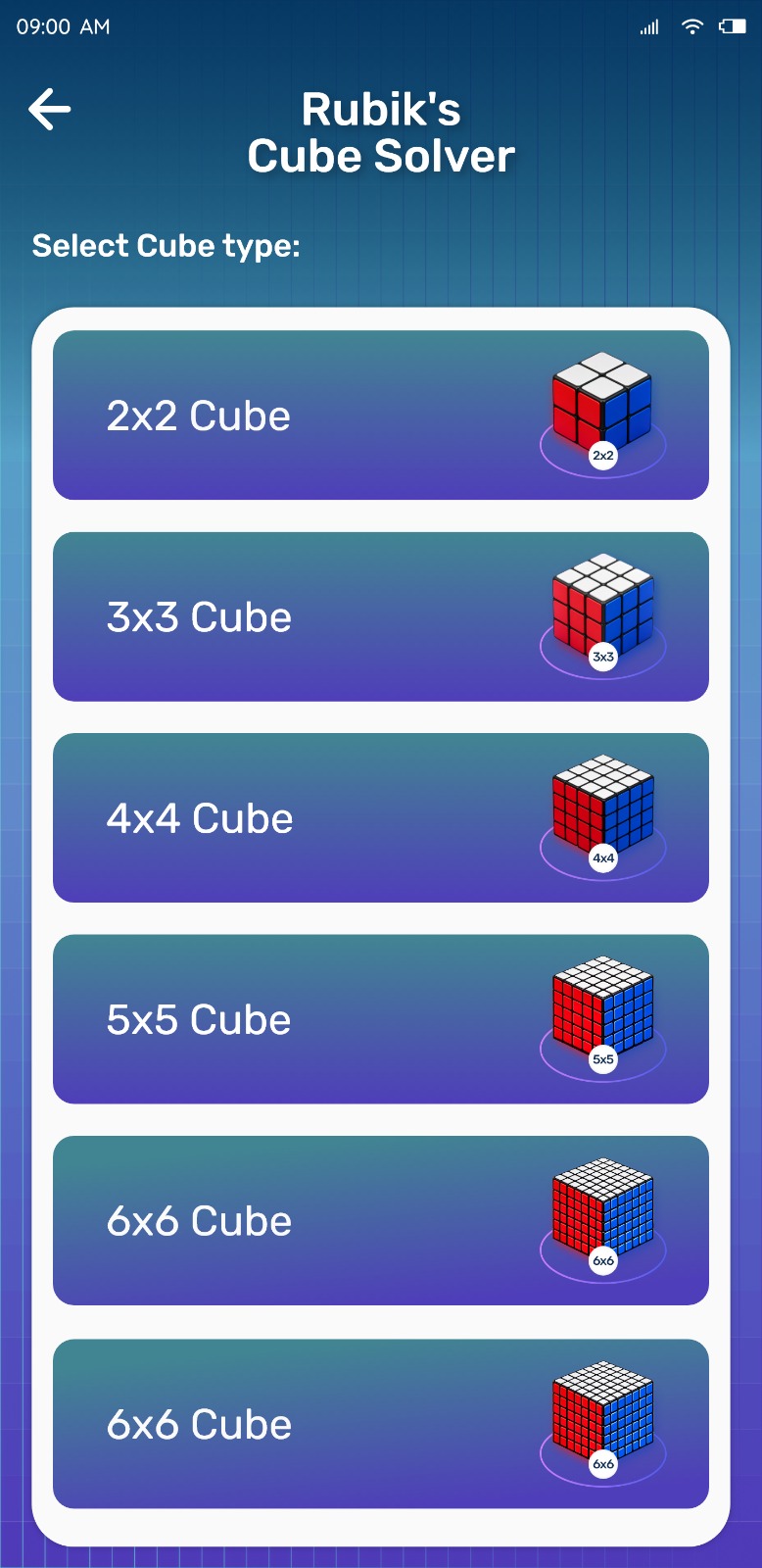
Pick your cube size, then either scan the faces with the Camera Scanner or tap the colours in with Manual Input. Keep the cube in the same orientation as you work around it, and check each face before moving on.
How to follow the solution moves
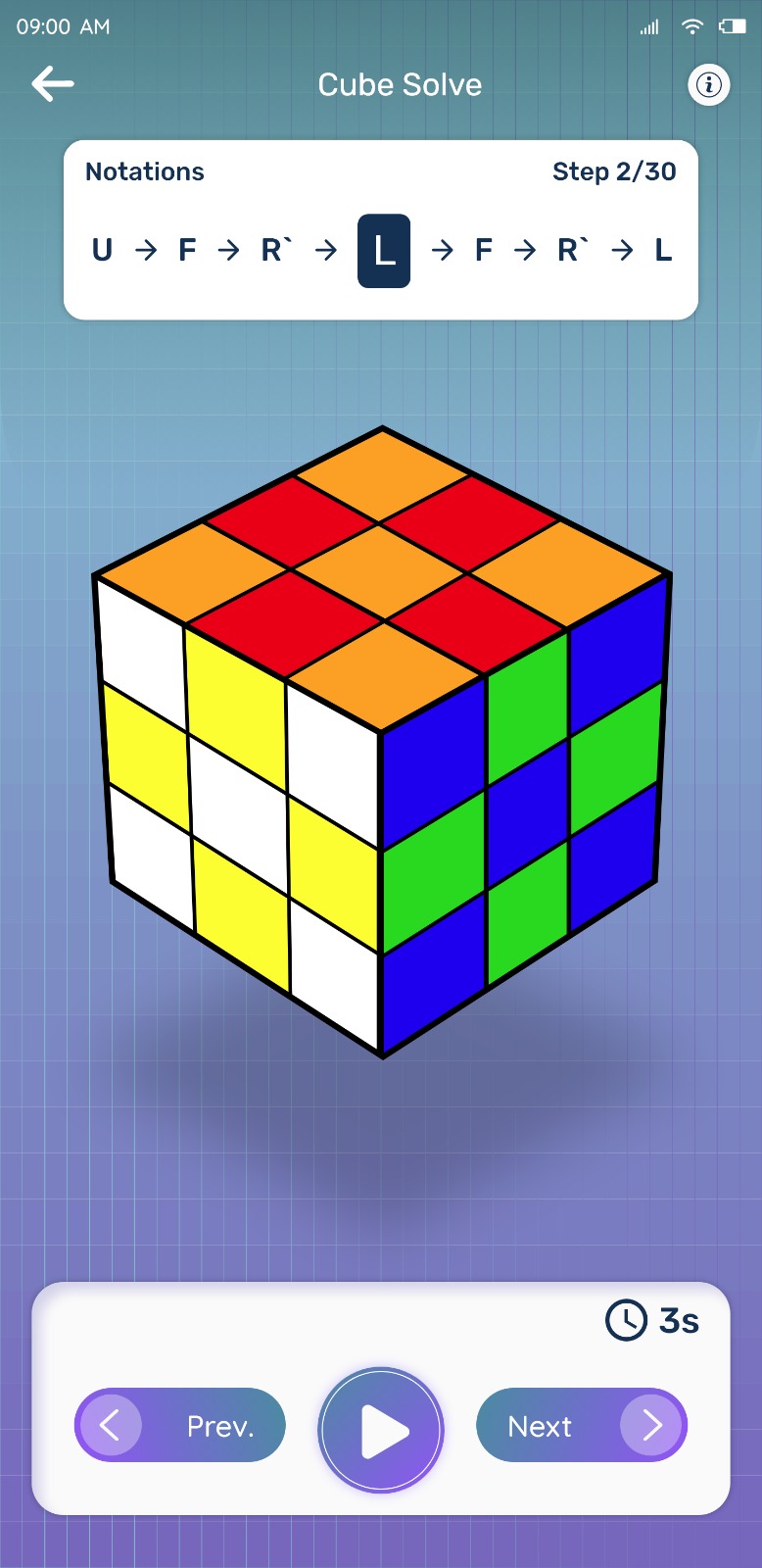
Take one move at a time. Apply the turn shown on screen, glance back at the cube to confirm it matches, then advance. If something looks off, step back a move rather than starting again.
How the virtual cube helps with practice
The Virtual Cube lets you turn faces and rotate the cube on screen, so you can see exactly what a move does before doing it for real. For beginners this is a useful way to connect a move on the screen with a turn in your hands.
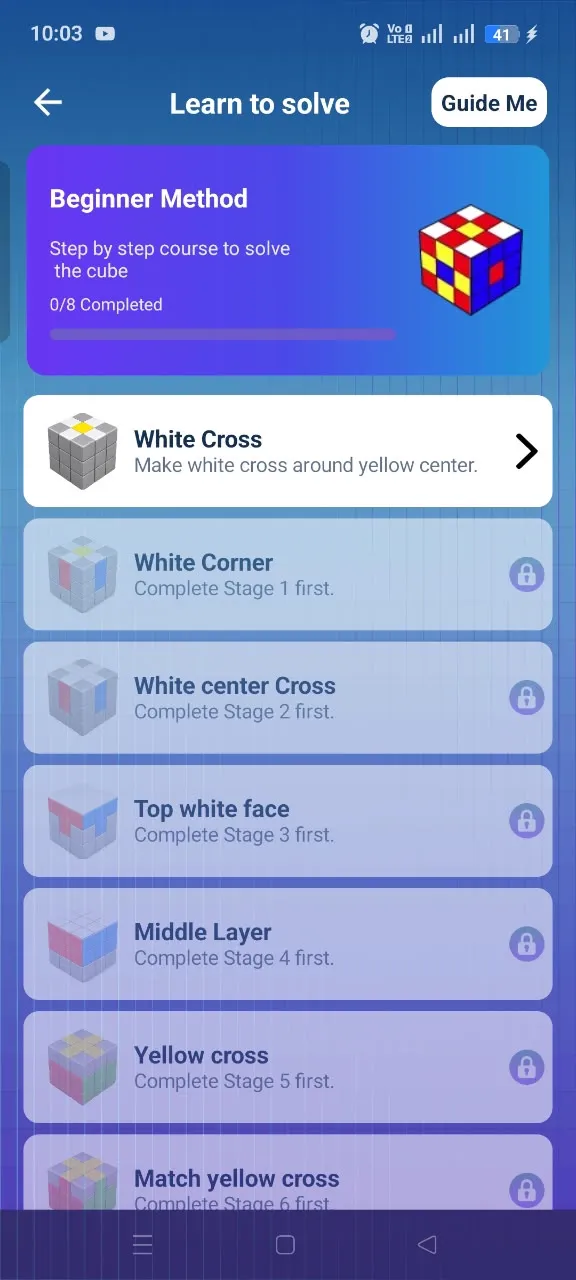
Understanding cube moves gradually
You do not need to learn notation to start, but it helps later. As you get comfortable, read our notation guide to see how the letters in a solution map to the turns you are already making — that is usually the point where guided solving turns into real understanding.
Try Rubik's Cube Solver
Scan your cube and get step-by-step solving instructions in seconds. Available for Android on Google Play.